
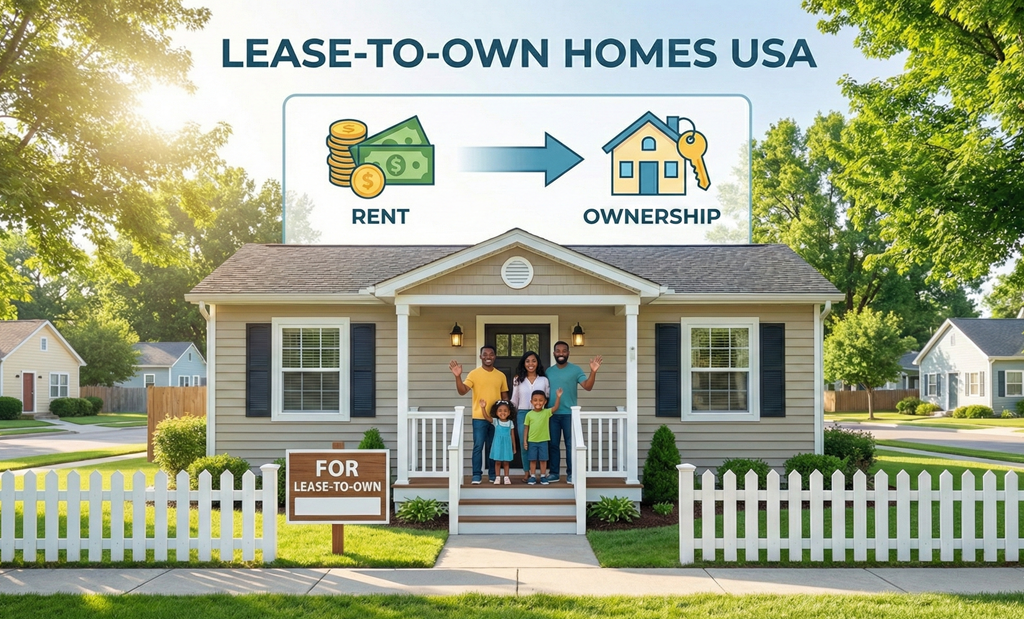
If you’re considering buying a home but aren’t ready to secure traditional financing, lease to own homes can be an excellent option. This guide explains how lease to own works, who it’s ideal for, and key strategies to make the most of this pathway into homeownership or real estate investment.
How Lease to Own Homes Work
Lease to own, also known as rent-to-own, allows potential buyers to rent a property for a set period with the option to purchase it at the end of the lease term. A portion of your monthly rent is often credited toward the down payment, making it easier to build equity while improving your financial readiness.
For example, a 2015 Singlewide Mobile Home in San Antonio may be available for lease to own, allowing you to move in immediately while planning your future purchase. Over time, this method helps buyers transition smoothly into homeownership while avoiding the challenges of traditional mortgage approval.
Who Should Consider Lease to Own?
Lease to own is ideal for several types of buyers:
- Buyers with limited credit history or low credit scores who need time to improve their credit.
- First-time homebuyers looking to test a property or neighborhood before committing.
- Investors seeking properties with flexible financing, such as mobile homes for sale or doublewide homes with land.
- Individuals who want to lock in a purchase price in a rising real estate market.
Pros and Cons of Lease to Own
Pros
- Build equity while renting, creating a head start for future homeownership.
- Lock in a purchase price upfront, protecting against market inflation.
- More flexible approval process compared to traditional mortgages.
- Time to save for a larger down payment while living in the home.
- Opportunity to test the property and community before fully committing.
Cons
- Rent premiums can be higher than market rates.
- Missing payments may forfeit the option fee, putting your investment at risk.
- Not all lease terms are favorable, careful contract review is crucial.
- The purchase price is fixed, which may be higher than the market value at the end of the lease if the property depreciates.
Finding Lease-to-Own Homes
Several resources help buyers locate lease to own homes:
- Real estate marketplaces like SwiftSell Properties list mobile homes, singlewide properties, and doublewide homes with land offering flexible financing options.
- Local real estate agents who specialize in alternative financing and rent-to-own agreements.
- National listings on government housing websites and other certified sources for foreclosed or government-backed properties.
- Educational resources like Investopedia’s guide on rent-to-own homes for deeper insights into lease-to-own contracts and strategies.
Tips for Negotiating Lease-to-Own Contracts
Before signing a lease-to-own agreement, consider the following strategies to protect your interests:
- Ensure a portion of rent applies to the purchase price and is documented in writing.
- Clarify maintenance responsibilities, including landscaping, repairs, and utilities.
- Verify the purchase price, timeline, and any penalties for non-compliance.
- Check for financing options that may be available at the end of the lease.
- Request a property inspection before signing to avoid unexpected repair costs.
- Consider negotiating a rent cap or annual increase limit if the lease term extends beyond a few years.
Lease-to-Own vs Traditional Home Buying
Traditional home buying typically requires a substantial down payment, strong credit, and mortgage approval. Lease-to-own provides a flexible path for buyers who:
- May not currently qualify for a mortgage.
- Prefer to test the property or neighborhood before committing fully.
- Want to invest in real estate with reduced upfront capital, including commercial or residential properties.
Real Estate Investment Opportunities Through Lease to Own
Investors can use lease-to-own arrangements to acquire properties with reduced risk and lower initial costs. Advantages include:
- Testing a property before committing to a full purchase.
- Generating rental income while building equity over time.
- Expanding an investment portfolio strategically with multiple lease-to-own properties.
- Accessing alternative markets, including mobile homes, singlewide homes, and land parcels for sale.
Case Study: Lease-to-Own Success
Consider a 2015 Singlewide Mobile Home in San Antonio listed on SwiftSell Properties. A family opted for a 3-year lease-to-own agreement, applying 25% of their monthly rent toward the purchase price. By the end of the lease, they had enough equity and improved credit to secure traditional financing and purchase the home outright. This demonstrates how lease-to-own can serve both buyers and investors strategically.
Frequently Asked Questions (FAQ)
Q: Can I back out of a lease-to-own agreement?
A: Yes, but the option fee is typically non-refundable. Always read the contract carefully and understand your obligations before signing.
Q: Is lease-to-own better than renting?
A: For buyers aiming to eventually own a home, lease-to-own is preferable because it builds equity and allows you to lock in a purchase price.
Q: Can I negotiate the purchase price?
A: Often, yes. The purchase price can sometimes be adjusted upfront in the contract to account for market fluctuations or property conditions.
Conclusion
Lease to own homes offer a strategic solution for buyers with limited credit or for investors seeking flexible real estate opportunities. By understanding the pros, cons, and key strategies, you can make informed decisions to secure your next home or investment property.
Explore available properties for sale today and find the perfect mobile home in Corpus Christi or San Antonio to begin your lease-to-own journey. For additional guidance, check resources on home buying and financing and learn more about lease-to-own homes.

Join The Discussion